
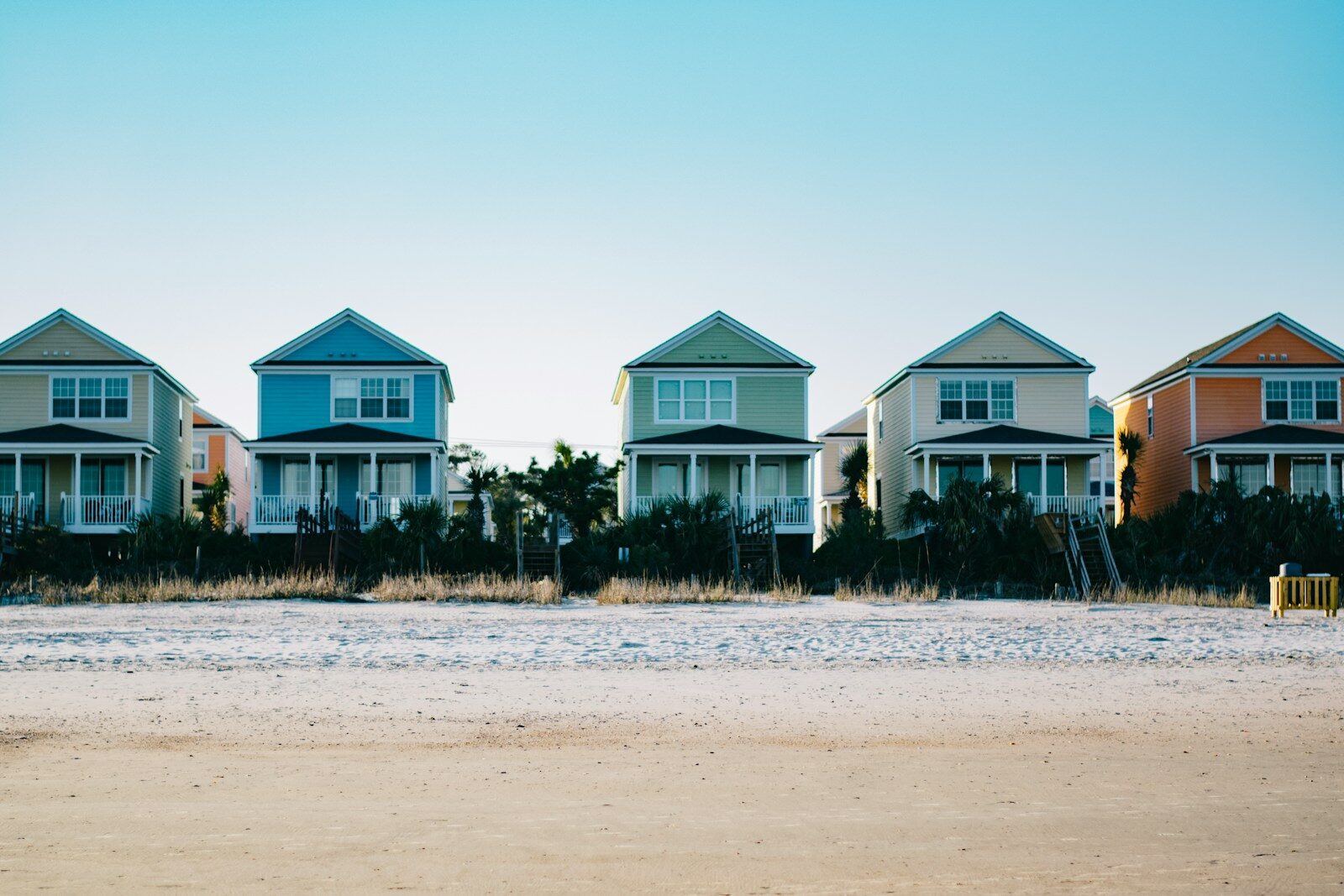
When most people think about owning a home in Myrtle Beach, they picture sunny days, ocean breezes, golf courses, and easy access to the beach. It’s easy to understand the appeal. The Grand Strand offers a lifestyle that attracts retirees, families, second-home owners, and remote workers from across the country.
What many buyers don’t realize until after they move here is that coastal living comes with unique home maintenance considerations.
I’m not talking about hurricanes. Most people already know to think about storm preparedness when buying near the coast.
What surprises many new homeowners are the everyday effects of living in a coastal environment. Salt air, humidity, moisture, and year-round exposure to the elements can affect everything from your HVAC system to your exterior paint.
None of these issues should discourage you from owning a home in Myrtle Beach. In fact, most longtime residents will tell you the benefits far outweigh the maintenance. The key is simply understanding what to expect so you can protect your investment and avoid costly surprises.
The Ocean Air Doesn’t Stop at the Beach
One of the biggest misconceptions among newcomers is that salt air only affects oceanfront properties.
In reality, salt particles travel much farther inland than many people realize. Depending on weather patterns and proximity to the coast, homes throughout much of the Grand Strand can experience the effects of salt exposure.
Over time, salt can accelerate corrosion on metal surfaces, including outdoor fixtures, railings, door hardware, fencing, and even certain components of your home’s mechanical systems.
It’s one reason you’ll notice many coastal homeowners regularly rinse exterior surfaces and stay proactive with maintenance. Small efforts can go a long way toward extending the life of materials exposed to the coastal environment.
Your HVAC System Works Harder Here
If there’s one system that deserves extra attention in a Myrtle Beach home, it’s the HVAC system.
Unlike many parts of the country that experience long periods of dry weather, the Grand Strand combines heat and humidity for much of the year. Your air conditioning system isn’t just cooling your home—it’s also working to remove moisture from the air.
That added workload means routine maintenance becomes especially important.
Regular servicing, filter changes, coil cleaning, and annual inspections can help improve efficiency and potentially extend the life of the system. Many local homeowners schedule preventative maintenance twice a year to help ensure everything is operating properly before the hottest months arrive.
When buyers ask me about long-term ownership costs, HVAC maintenance is always one of the topics we discuss because it’s an important part of coastal homeownership.
Humidity Can Be Just as Challenging as Salt
Even homes that are miles from the ocean have to contend with another coastal reality: moisture.
The humid climate is one of the reasons Myrtle Beach stays so green and beautiful, but excess moisture can create challenges if a home isn’t properly maintained.
Homeowners often benefit from paying close attention to ventilation, attic airflow, crawl spaces, and indoor humidity levels. A properly functioning HVAC system plays a major role in controlling moisture, but many residents also utilize dehumidifiers in certain areas of the home.
Ignoring moisture issues can sometimes lead to mildew, musty odors, or other maintenance concerns that are far easier to prevent than correct.
Exterior Paint Has a Tough Job
The South Carolina coast can be demanding on exterior finishes.
Strong sunlight, heat, humidity, wind, rain, and salt exposure all contribute to wear and tear on a home’s exterior paint. As a result, homeowners often find themselves repainting or touching up exterior surfaces more frequently than they might in less demanding climates.
Choosing quality materials and maintaining a regular inspection schedule can help identify issues before they become larger problems.
A small area of peeling paint may seem minor today, but addressing it quickly can help protect the underlying materials and preserve your home’s appearance for years to come.
Roofing Requires Regular Attention
Your roof serves as your home’s first line of defense against the elements.
In coastal areas, roofing systems face constant exposure to sun, wind, moisture, and seasonal storms. Even when there isn’t severe weather, everyday environmental conditions can gradually affect roofing materials over time.
Routine inspections can help identify loose shingles, damaged flashing, drainage concerns, and other issues before they lead to more expensive repairs.
Many experienced homeowners make roof inspections part of their annual maintenance routine rather than waiting for visible signs of a problem.
Windows and Doors Take a Beating
Coastal weather can be tough on windows and doors.
The combination of moisture, heat, and salt exposure can impact seals, hardware, tracks, and moving components over time. Homeowners who perform regular cleaning and inspection often catch minor issues before they affect energy efficiency or functionality.
Properly maintained windows and doors not only improve comfort inside the home but can also help reduce energy costs throughout the year.
Landscaping Looks Different Near the Coast
One of the things people love most about Myrtle Beach is the ability to enjoy outdoor living year-round.
That often means investing time and money into landscaping, gardens, patios, and outdoor entertainment areas. Coastal conditions, however, can influence which plants thrive and how landscapes should be maintained.
Salt exposure, sandy soils, heat, and occasional drought conditions all play a role in plant selection and long-term success.
Many homeowners work with local landscaping professionals who understand which trees, shrubs, and grasses perform best in coastal South Carolina conditions.
Pest Prevention Is a Year-Round Responsibility
The warm climate that attracts so many people to Myrtle Beach is also appealing to insects and other pests.
Unlike colder regions where winter naturally slows pest activity, coastal South Carolina experiences relatively mild winters that can allow pest populations to remain active throughout much of the year.
Routine inspections and preventative treatments can help protect homes from termites, ants, mosquitoes, and other common pests found throughout the area.
Many homeowners view pest prevention as a regular part of maintaining their property rather than something to address only when a problem appears.
Coastal Living Is Worth It
After reading all of this, you might think owning a home in Myrtle Beach sounds like a lot of work.
The truth is that every region has its own maintenance challenges. In some parts of the country it’s snow removal, frozen pipes, and ice dams. In others it’s extreme heat, drought, or wildfire concerns.
Here on the Grand Strand, homeowners simply learn how to manage the effects of salt air, humidity, and coastal weather.
The reward is waking up near the ocean, enjoying mild winters, spending time outdoors year-round, and experiencing the lifestyle that draws so many people to Myrtle Beach in the first place.
Understanding these realities before you buy can help you choose the right property, budget appropriately for maintenance, and enjoy everything coastal living has to offer.
If you’re considering owning a home in Myrtle Beach, North Myrtle Beach, Murrells Inlet, Surfside Beach, Conway, or elsewhere along the Grand Strand, understanding how coastal weather affects homes is just one of many factors to consider. The more informed you are before you buy, the more confident you’ll be in your decision—and the better prepared you’ll be to protect your investment for years to come.