
Investing in a Myrtle Beach condo can be an excellent way to generate vacation rental income, but not every property can legally operate as a short-term rental. Before you purchase with plans to list on Airbnb, VRBO, or another vacation rental platform, it’s important to understand that two separate authorities govern your ability to rent: the local municipality and the homeowners association (HOA).
Many buyers focus on location, rental projections, and amenities, only to discover after closing that zoning restrictions or HOA regulations limit their rental plans. Understanding the rules before you buy can help you avoid costly surprises and make a more informed investment decision.
Here’s what every buyer should know about Myrtle Beach short-term rental rules in 2026.
What Counts as a Short-Term Rental?
In South Carolina, a short-term rental is generally defined as a stay of less than 90 consecutive days. Once a property is used for rentals shorter than that period, additional regulations may apply, including business licensing requirements, accommodations taxes, and local zoning restrictions.
City of Myrtle Beach Zoning Rules
One of the biggest misconceptions among investors is that any property near the beach can be used as a vacation rental. In reality, zoning plays a major role.
Within the City of Myrtle Beach, most traditional residential neighborhoods are not zoned for short-term rentals. Districts designated with an “R” classification generally prohibit rentals under 90 days, with the primary exception being the RMV (Residential Multifamily Visitor) zoning district.
Key considerations include:
- Business licenses are required for eligible short-term rentals.
- Guests pay a combined accommodations tax of approximately 12%, which hosts are responsible for collecting and remitting to the appropriate agencies.
- There is no annual limit on rental nights where short-term rentals are permitted.
- A limited number of properties may qualify for grandfathered status based on historical rental use.
- Violations may result in fines and other enforcement actions.
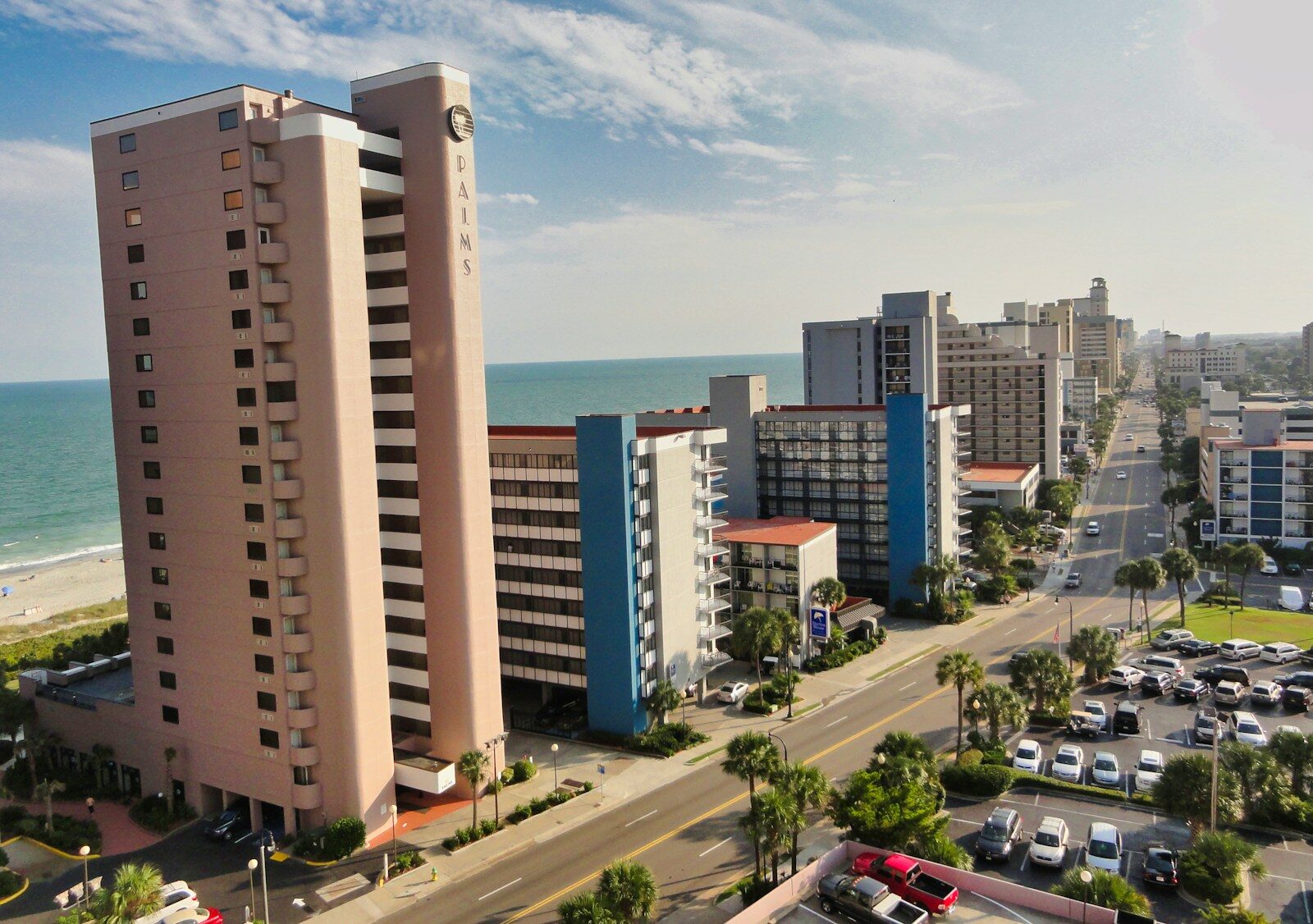
Before purchasing any property for vacation rental purposes, verify the property’s zoning classification directly with the City of Myrtle Beach. Many oceanfront and resort-style condominium developments were specifically designed and zoned for short-term rental use, which is why condos dominate the local vacation rental market.
North Myrtle Beach Is More Investor Friendly
North Myrtle Beach remains one of the most attractive areas for short-term rental investors along the Grand Strand.
Property owners must obtain a business license and comply with accommodations tax requirements, but the city generally offers a more rental-friendly framework than many traditional residential areas in Myrtle Beach.
Key requirements include:
- Annual business license renewals.
- Compliance with local occupancy, noise, parking, and trash regulations.
- Collection and remittance of accommodations taxes.
Guests renting short-term properties in North Myrtle Beach currently pay a combined accommodations tax of approximately 13%, which hosts are responsible for collecting and remitting.
Because there are fewer zoning restrictions specifically targeting vacation rentals, North Myrtle Beach continues to be a popular destination for investors seeking rental income opportunities.
The HOA Can Override the City
Even if city regulations allow short-term rentals, the HOA may not.
HOA restrictions are often the deciding factor in whether a property can be used as a vacation rental. Common restrictions include:
- Complete bans on short-term rentals.
- Minimum lease terms.
- Rental caps limiting the number of units that may be leased.
- Participation requirements in on-site rental programs.
- Additional registration or approval processes.
This is one of the most overlooked aspects of purchasing an investment property. Always review the HOA covenants, bylaws, and current rules before making an offer. It’s also wise to ask whether any rental-related rule changes are currently being considered by the board.
Costs Beyond the Mortgage
Successful vacation rental investors understand that monthly mortgage payments are only part of the equation.
Additional expenses may include:
- Wind and coastal insurance.
- Flood insurance where applicable.
- Property management fees.
- Cleaning and turnover costs.
- Furnishings and periodic updates.
- HOA fees and rental program costs.
- Maintenance and repairs.
Building these expenses into your investment projections before purchasing will provide a more realistic picture of potential cash flow.
Due Diligence Checklist Before You Buy
Before purchasing a Myrtle Beach or North Myrtle Beach rental property, make sure you:
- Verify the property’s zoning classification.
- Review all HOA documents and rental restrictions.
- Confirm local business license requirements.
- Understand accommodations tax obligations.
- Obtain insurance quotes, including wind and flood coverage.
- Calculate management, cleaning, maintenance, and HOA expenses.
- Review recent rental performance data for the building or community.
Frequently Asked Questions
Can you Airbnb a house in Myrtle Beach?
It depends on the property’s zoning. Many traditional residential neighborhoods within the City of Myrtle Beach prohibit rentals shorter than 90 days. Condominiums in designated visitor and resort areas are often better suited for short-term rental use. Always verify the property’s zoning before purchasing.
Does an HOA matter if the city allows short-term rentals?
Yes. An HOA can prohibit or restrict short-term rentals even when local zoning allows them. HOA rules are enforced independently of city regulations.
What taxes apply to short-term rentals in Myrtle Beach?
In Myrtle Beach, guests pay a combined accommodations tax of approximately 12%, which hosts collect and remit. In North Myrtle Beach, the combined accommodations tax is approximately 13%, also collected from guests and remitted by the host. Business licensing requirements apply in both municipalities.
What should investors check before buying a condo for Airbnb use?
Review the property’s zoning, HOA rental policies, business licensing requirements, insurance costs, and local accommodations tax obligations before making an offer. A property that appears ideal on paper may have restrictions that significantly impact its rental potential.