
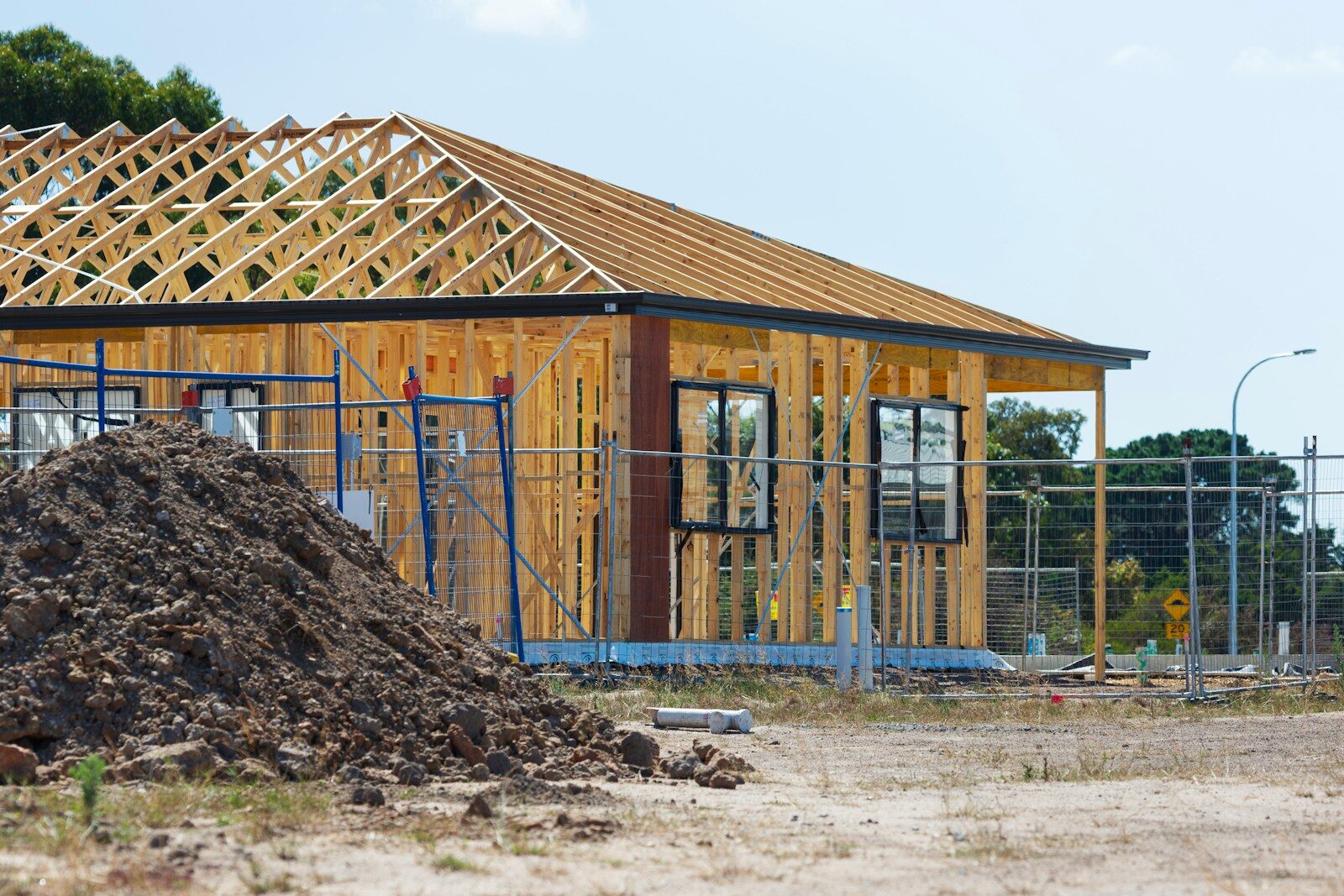
New construction in Myrtle Beach refers to newly built and to-be-built homes in master-planned communities across the Grand Strand. Most 2026 activity is concentrated in Carolina Forest, Conway, Socastee, Longs, and the south end near Murrells Inlet and Surfside Beach.
Entry-level new homes generally start in the low-to-mid $300,000s, while gated and beach-proximate communities often begin in the high $500,000s and can exceed $1 million. This guide focuses on the building process itself: the builders, the contracts, the timelines, and the inspections that protect you.
Who Builds in Myrtle Beach
The Grand Strand has well over 170 active new home communities and more than 40 builders. National builders such as D.R. Horton, Lennar, Pulte, Centex, and Dream Finders Homes build alongside respected regional builders, including Chesapeake Homes, founded in 1991, and Mungo Homes, a family-run South Carolina builder operating since 1954.
A few active communities buyers are watching in 2026:
- Traditions at Carolina Forest (Chesapeake Homes): three collections from the $320,000s to the $420,000s, off River Oaks Drive.
- Arcadia (Forestbrook and Socastee): Mungo, Lennar, and Centex building side by side, from the mid $330,000s into the mid $500,000s.
- Trieste at Bella Vita (Carolina Forest): high $370,000s to low $430,000s, near the World Tour Golf Links.
- Crescent Cove: low $350,000s to more than $660,000, with Intracoastal day-dock access.
- Heron Pointe (near Surfside Beach): single-level plans under $400,000.
If schools are a priority in choosing between communities, see our guide to the best Myrtle Beach neighborhoods for families, which breaks down school zoning by area.
How Much Does New Construction Cost?
Pricing depends on location, size, finishes, and lot premiums. As a general 2026 guide:
- Entry-level: low-to-mid $300,000s in Carolina Forest, Conway, Longs, and Socastee.
- Mid-market family homes: roughly $400,000 to $550,000.
- Waterfront and water-access: frequently $450,000 to $660,000 and up.
- Gated and beach-proximate: high $500,000s and up, with custom estates over $1 million.
Advertised base prices usually exclude lot premiums and design-center upgrades, so always ask what is included before you fall in love with a model home.
Why You Should Have Your Own Agent, Not the Builder’s Rep
The friendly representative at the model home works for the builder, and their job is to protect the builder’s interests. A local buyer’s agent works for you and can compare communities objectively, review the builder contract, negotiate upgrades and lot premiums, monitor construction, and coordinate inspections.
In most cases the builder pays the buyer-agent commission, so representation costs you nothing extra. Bring your agent to your first model-home visit, because some builders will not pay the commission if you register on site without representation.
Understanding New Construction Contracts
Builder contracts differ from standard resale contracts and are usually written to favor the builder. Before you sign, review:
- Construction timelines: completion dates are estimates, with flexibility built in for delays.
- Financing requirements: preferred-lender incentives can help, but compare total loan costs.
- Upgrade pricing: confirm what is in the base price and what costs extra.
- Change-order policies: once construction begins, changes can be difficult or expensive.
- Warranty terms and completion deadlines: know your options if the build runs long.
How Long Does It Take to Build?
- Move-in-ready or spec homes: often 30 to 90 days.
- Homes already under construction: typically 3 to 6 months.
- Ground-up custom builds: usually 6 to 12 months or longer.
Hurricane season, weather, labor, material lead times, and permitting can extend any timeline, so build flexibility into your moving plans.
Budgeting for Upgrades
Model homes showcase a builder’s most attractive options, and many are not in the base price. Common upgrades include luxury flooring, quartz countertops, custom cabinetry, and tile showers inside; screened porches, outdoor kitchens, and irrigation outside; and security and smart-home systems for technology. Upgrades can add tens of thousands of dollars, so set a clear budget before visiting the design center.
Warranties and Inspections
Most builders offer a tiered warranty: one year on workmanship, two years on systems such as plumbing, electrical, and HVAC, and up to ten years structural. Several national builders, including Pulte and Centex, advertise a 10-year limited structural warranty.
Even on a brand-new home, get independent inspections. Many buyers schedule a pre-drywall inspection before the walls are closed, a final inspection before closing, and a warranty inspection near the end of the first year while items can still be corrected at the builder’s expense.
Two Things to Research Before You Buy
Property taxes: South Carolina taxes a primary residence at 4 percent versus 6 percent for second homes, and on a new build your first bill reflects land value only before rising after the home is reassessed. The full breakdown is in our Myrtle Beach cost of living guide.
HOA and rental rules: if you plan to rent the home, confirm both the community rules and city zoning first. See our guide to HOA rules and short-term rental regulations.
Frequently Asked Questions
Are new construction homes cheaper than existing homes in Myrtle Beach?
Usually not. New builds typically carry a 5 to 10 percent premium over comparable resale homes in growth corridors, and upgrades affect the final cost. Compare total ownership costs, not just base prices.
Do I need a Realtor when buying new construction?
Yes. The builder’s representative works for the builder. Your own agent protects your interests during contract review, negotiation, inspections, and closing, and the builder typically pays the buyer-agent commission. Bring your agent to your first model-home visit.
Is a home inspection necessary for a newly built home?
Yes. New homes can still have defects. Many buyers schedule a pre-drywall inspection, a final inspection before closing, and a warranty inspection within the first year.