
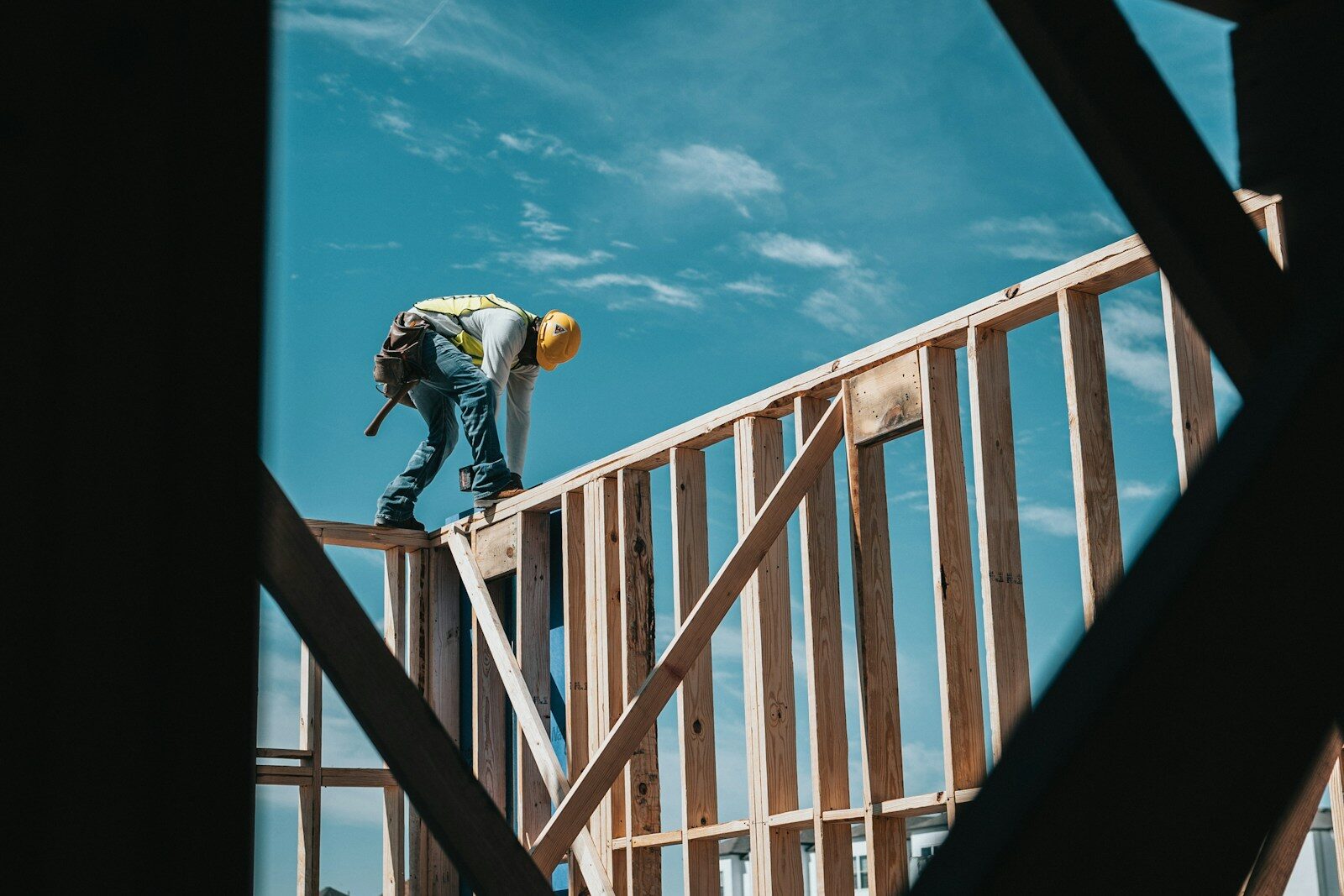
If you’ve driven around the Grand Strand lately, you’ve probably noticed something happening almost everywhere you look. New neighborhoods are taking shape, model homes are opening their doors, and construction crews are busy building communities from Conway to Murrells Inlet.
New construction in Myrtle Beach has become one of the most popular options for buyers relocating to the area. Many are coming from states where housing costs are significantly higher and are attracted by the combination of coastal living, modern homes, and a relatively affordable cost of ownership. Whether you’re searching for a retirement home, a primary residence, or a vacation property, it’s easy to see why so many buyers are considering newly built homes.
But while buying new construction can be an exciting opportunity, it’s also very different from purchasing a resale home. There are unique contracts, timelines, warranties, and decisions that buyers should understand before signing on the dotted line.
Why So Many Buyers Are Choosing New Construction
One of the biggest advantages of a newly built home is that everything is designed for the way people live today.
Many older homes were built during a time when formal dining rooms and smaller, separated spaces were the norm. Today’s buyers often want open living areas, larger kitchens, dedicated home offices, and flexible spaces that can adapt to changing needs. New construction communities throughout Myrtle Beach are being designed with those preferences in mind.
Energy efficiency is another major selling point. New homes typically feature improved insulation, energy-efficient windows, modern HVAC systems, and updated appliances. While no home is immune from utility costs, many buyers find that newer homes can be more efficient than properties built decades ago.
Then there’s the peace of mind factor. When you purchase a newly constructed home, you’re not wondering when the roof will need replacement or whether the HVAC system has reached the end of its lifespan. Major systems are brand new, which often means fewer maintenance concerns during the first several years of ownership.
The Model Home Isn’t the Whole Story
One of the biggest mistakes buyers make is assuming the beautifully decorated model home represents the actual price they’ll pay.
Model homes are designed to showcase a builder’s best features and upgrades. The countertops may be upgraded. The flooring may be upgraded. The lighting fixtures, cabinets, trim work, and outdoor living spaces are often upgrades as well.
I’ve worked with buyers who fell in love with a model home only to discover that the features they admired weren’t included in the advertised base price.
That’s not necessarily a bad thing, but it’s important to understand exactly what comes standard and what costs extra. Upgrade selections can quickly add thousands—or even tens of thousands—of dollars to the final purchase price.
Before visiting a design center, establish a realistic budget and prioritize the features that matter most to you.
Why You Should Have Representation
Many buyers walk into a model home believing the sales representative is there to guide them through the process.
While builder representatives are often knowledgeable and helpful, it’s important to remember who they represent. Their job is to represent the builder’s interests throughout the transaction.
Having your own real estate agent gives you someone focused solely on your side of the deal.
A local agent can help compare communities, explain contract terms, identify potential concerns, coordinate inspections, and provide objective guidance throughout the process. Perhaps most importantly, they can help buyers understand the differences between communities that may look similar on paper but offer very different ownership experiences.
The good news is that in most cases, the builder compensates the buyer’s agent, not the buyer.
Understanding Builder Contracts
New construction contracts often look very different from traditional real estate contracts.
Many buyers relocating from out of state are surprised by how much flexibility builders build into their agreements. Estimated completion dates are often just that—estimates. Construction delays can occur due to weather, material shortages, permitting issues, labor availability, or utility connections.
Builders may also offer incentives for using preferred lenders. Sometimes these incentives can be beneficial, but buyers should still compare financing options carefully to ensure they’re receiving competitive terms.
The most important thing is to read every document carefully and understand your responsibilities before signing. Questions that seem minor today can become major issues several months into the construction process.
How Long Does New Construction Take?
This is one of the first questions most buyers ask, and unfortunately, there isn’t a one-size-fits-all answer.
If you’re purchasing an inventory home that’s already completed or nearly completed, you may be able to move in within a few weeks. Homes that are already under construction often take several months to finish. Fully customized homes built from the ground up can take considerably longer depending on the builder, weather conditions, and the complexity of the project.
For buyers relocating to Myrtle Beach, flexibility is important. It’s wise to avoid scheduling movers, ending leases, or making major life changes based solely on an estimated completion date.
Don’t Skip the Home Inspection
One misconception I hear regularly is that a brand-new home doesn’t need an inspection.
In reality, inspections can be just as valuable on a new home as they are on an older property.
Even excellent builders oversee dozens or hundreds of subcontractors working on multiple homes simultaneously. Mistakes happen. Inspectors regularly uncover issues involving roofing, electrical systems, plumbing, insulation, drainage, and HVAC installations.
Many experienced buyers schedule inspections at multiple stages of construction, including before drywall is installed and again before closing. These inspections can identify issues while they’re still relatively easy for the builder to correct.
Choosing the Right Community
One of the reasons new construction is so popular in Myrtle Beach is the variety of communities available.
Some buyers prefer the convenience and amenities found in larger master-planned communities. Others are looking for larger lots, quieter surroundings, or easier access to the beach, golf courses, or boating opportunities.
Communities in Carolina Forest, Conway, North Myrtle Beach, Little River, Murrells Inlet, Longs, Surfside Beach, and Pawleys Island each offer their own advantages. Rather than focusing on which area is “best,” buyers should focus on which location best matches their lifestyle, budget, commute preferences, and long-term goals.
That’s often where local knowledge becomes most valuable.
Is New Construction Right for You?
For many buyers, the answer is yes.
New construction offers modern floor plans, energy-efficient features, warranty protection, and the opportunity to personalize many aspects of the home. At the same time, buyers should enter the process with a clear understanding of construction timelines, contract terms, upgrade costs, inspections, and community requirements.
The more informed you are before you begin, the smoother the experience tends to be.
If you’re considering new construction in Myrtle Beach, working with a local real estate professional can help you compare builders, evaluate communities, and navigate the process with confidence. From Carolina Forest to Murrells Inlet and throughout the Grand Strand, there are more opportunities than ever for buyers looking to build or purchase a new home along the South Carolina coast.